Expert office in epidemiostatistics and risk
We help our clients break free from statistical details in epidemiology and risk, so they can focus on what matters most: serving their clients and growing their business.
Clients
Accréditation
Institutions avec lesquelles nous avons collaboré par le passé






20 ans
d'expérience professionnelle
1 000+
citations (Google Scholar)
3 domaines
d'expertise (risque, épidémio, marketing)
2x
agréé CIR par le ministère
Your benefits
What can Direct Epidemio-Statistics bring you?
L'épidémiologie statistique
Caractériser, modéliser et comparer vos populations d'étude. Réduire les évènements indésirables graves. Mener une veille sanitaire.
En savoir plus→
Le risque quantitatif
Notre expertise en risque statistique aide les entreprises tech et santé à mieux détecter, comprendre et prévenir les risques les plus complexes.
En savoir plus→
Le marketing d'accès marché
Intelligence argumentaire et marketing technico-scientifique pour défendre votre accès marché.
En savoir plus→
Suivi épidémiologique
Accompagner vos équipes dans le suivi épidémiologique de vos populations d'étude, de la collecte à l'interprétation.
En savoir plus→
Valorisation scientifique
Valoriser vos résultats par des publications, communications et collatéraux scientifiques de qualité.
En savoir plus→
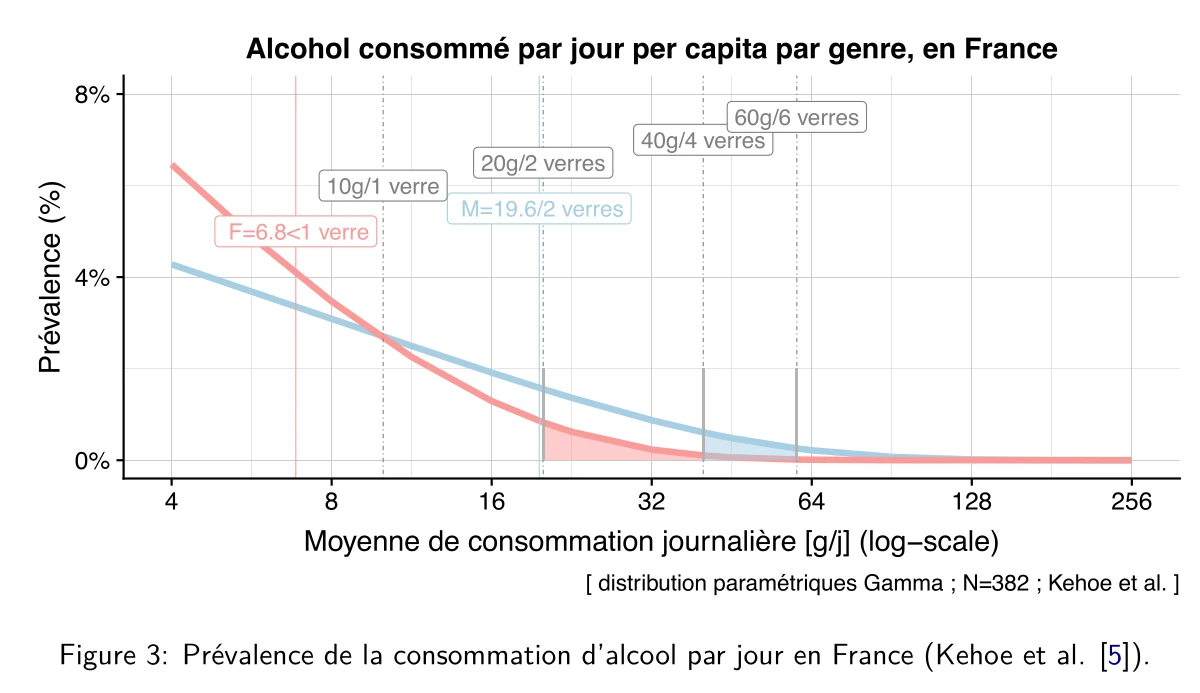
L'épidémiologie statistique
Un spectre large et complet de méthodes statistiques pour :
- caractériser, modéliser, et comparer vos populations d'étude
- améliorer la survie, la qualité de vie, ou le nombre de complications
- réduire le nombre d'évènements indésirables graves (EIGs)
- mener une veille sanitaire.
Extraits
Le risque quantitatif
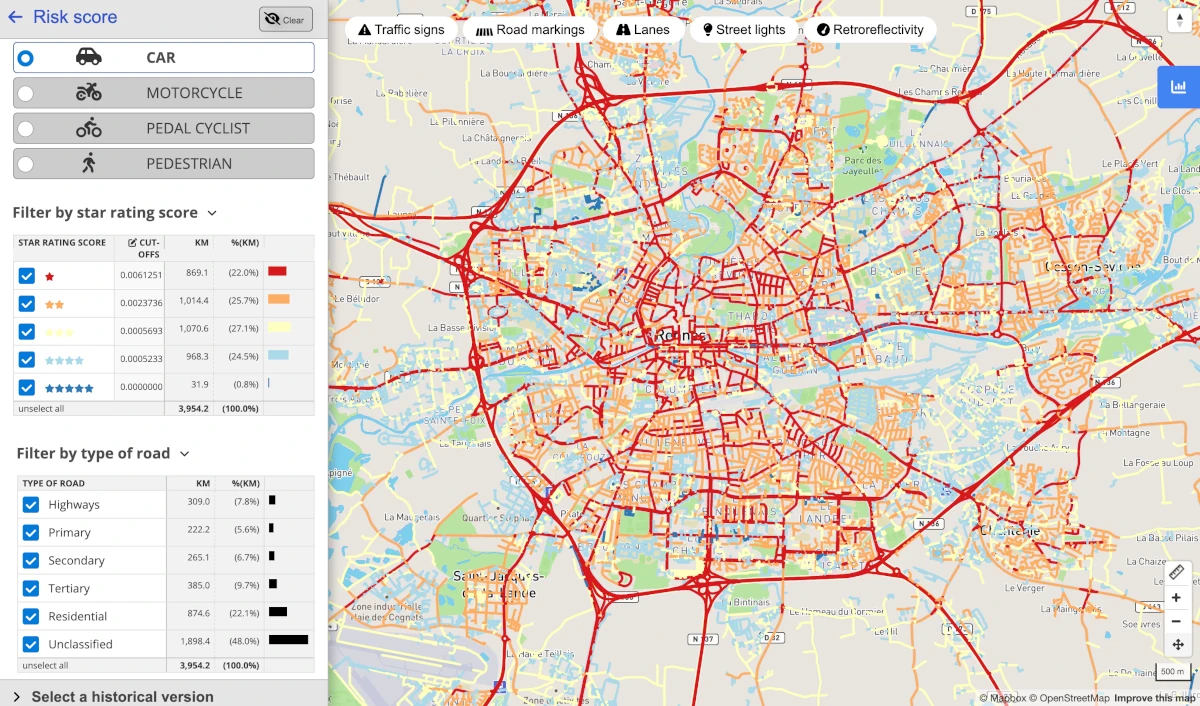
Des méthodes et solutions à chaque phase de votre processus de gestion des cas à risque, notamment pour :
- mieux comprendre la pathogenèse de vos évènements indésirables
- résumer et comparer les caractéristiques des populations étudiées
- améliorer vos rendements ou votre efficacité technico-économique
- surveiller de manière pro-active vos cas à risque...
Extraits
Le marketing d'accès marché
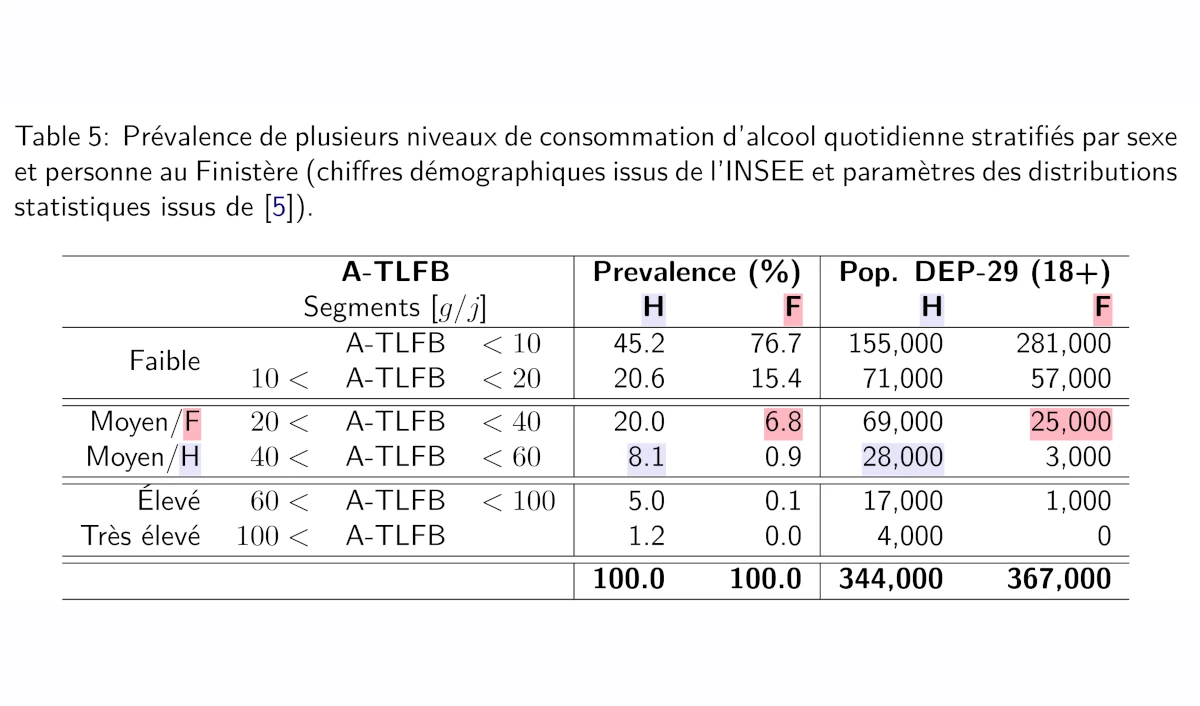
De l'intelligence argumentaire et du marketing technico-scientifique pour :
- présenter vos études — méthodologie, tableaux, graphiques
- défendre votre accès marché, notamment lors des relectures d'experts
- produire des collatéraux marketing présentant vos résultats ou produits.
Nos missions
Extraits
The + of Direct Epidemio-Statistics
What makes us specific?
Les + Direct Epidemio-Statistics
Pourquoi sommes-nous spécifiques ?

Notre expertise-conseil qui :
- modélise vos évènements indésirables de manière systématique et globale, tout en restant précis ;
- produit des résultats intermédiaires et finaux synthétiques, clairs, et pratiques ;
- identifie et ordonne par priorité les leviers d'amélioration essentiels ;
- intègre ces modélisations dans vos systèmes existants.

L'agrément CIR octroyé par le Ministère de l'Enseignement Supérieur et de la Recherche Français, qui :
- diminue de 30% par crédit d'impôt le coût facturé de notre R&D ;
- est un indicateur de notre expérience, expertise, et professionnalisme ;
- couvre la période 2022–2027.

Notre état d'esprit qui se caractérise par :
- des choix innovants, sans taboo, détachés du status quo ;
- la ponctualité et l'atteinte des objectifs, dont résulte le sens de fiabilité et la confiance ;
- la neutralité dans l'inventaire des choix possibles ;
- la disponibilité et l'accessibilité.
Contactez-nous
Et si nous travaillions ensemble ?
Services
Epidemiological Statistics
Quantitative Risk
Market Access Marketing
Contact us
Our contact details
Our contact details
Parc EDONIA - Bât. M
Rue des Iles Kerguelen
35760 Saint-Grégoire, France
Rue des Iles Kerguelen
35760 Saint-Grégoire, France